Symptoms of Uterine Fibroids: What Every Woman Should Know
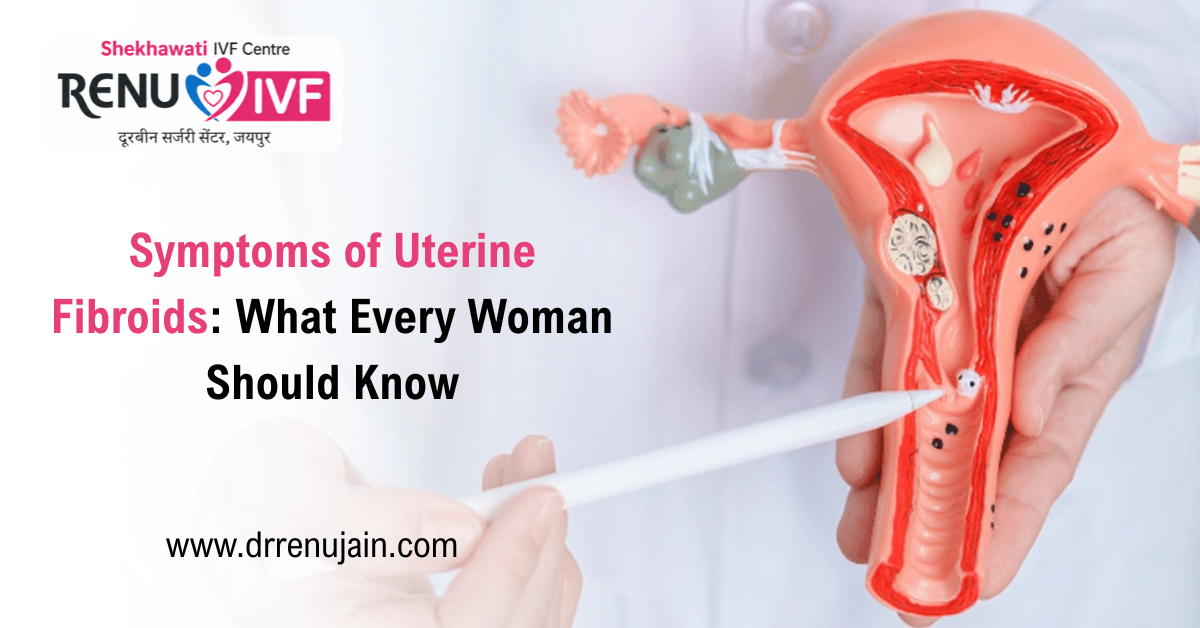

Uterine fibroids are non-cancerous (benign) growths that develop in or around the uterus. Medically known as leiomyomas or myomas, they are made up of muscle and fibrous tissue. While they are extremely common — affecting up to 70–80% of women by the age of 50 — many women remain unaware they have fibroids because the symptoms of uterine fibroids can be subtle, vary greatly, or in some cases, be entirely absent.
However, when symptoms do appear, they can significantly impact a woman’s quality of life, fertility, and overall health. Early recognition of these symptoms is the first step toward timely medical care.
Uterine fibroids that go undiagnosed can grow larger over time and lead to serious complications including anaemia, infertility, pregnancy complications, and chronic pelvic pain. Early identification of the symptoms of uterine fibroids allows women to seek expert care, explore treatment options, and protect their reproductive health.
If you are experiencing any of the following signs, consulting the Best Gynecologist in Jaipur — Dr. Renu Jain — can help you get an accurate diagnosis and a personalized treatment plan.
One of the most frequently reported symptoms of uterine fibroids is menorrhagia — heavy or prolonged menstrual bleeding. Women with fibroids may:
This heavy bleeding can eventually lead to iron-deficiency anaemia, causing persistent fatigue, weakness, and shortness of breath.
Fibroids — especially large or multiple ones — can create a feeling of fullness, heaviness, or pressure in the lower abdomen and pelvis. This pressure may be:
Pelvic pain is one of the most disruptive symptoms of uterine fibroids and is often mistaken for period cramps or digestive problems.
When fibroids press against the bladder, women may experience:
Conversely, if fibroids press on the urethra or ureters, they can obstruct urine flow, which — if left untreated — may affect kidney function.
Fibroids that grow toward the back of the uterus can press against the rectum, leading to:
These symptoms of uterine fibroids are often overlooked and attributed to diet or digestive issues.
Larger fibroids can cause noticeable abdominal distension — often described as looking or feeling “pregnant.” Women may notice their clothes fitting tighter around the waist, or they may feel a lump or firm mass in their lower abdomen.
Fibroids located near the cervix or inside the uterine cavity can make sexual intercourse painful. This symptom is often accompanied by pelvic pressure and can strain intimate relationships and mental well-being.
Fibroids growing toward the back of the uterus may press on spinal nerves or blood vessels, causing:
This is one of the symptoms of uterine fibroids that most commonly leads women to consult an orthopaedist before the true cause is discovered.
Fibroids can interfere with fertility and pregnancy by:
If you are struggling to conceive and experiencing any of the above symptoms, it is essential to consult the Best IVF Specialist in Jaipur — Dr. Renu Jain — who can evaluate whether fibroids are affecting your fertility and guide you toward the right treatment.
Some women with submucosal fibroids (those growing inside the uterine lining) experience spotting or light bleeding between their regular periods. This irregular bleeding should always be evaluated by a gynecologist to rule out other causes.
Chronic heavy bleeding due to fibroids is one of the leading causes of anaemia in women of reproductive age. Anaemia from fibroid-related blood loss can present as:
Many women normalize this fatigue without realizing its connection to the symptoms of uterine fibroids.
Q: Can uterine fibroids cause no symptoms at all?
Yes. Many fibroids are “silent” and are discovered incidentally during a routine pelvic exam or ultrasound. However, regular gynecological check-ups are important for early detection.
Q: Are the symptoms of uterine fibroids the same for all women?
No. The type, size, number, and location of fibroids determine the nature and severity of symptoms. Submucosal fibroids typically cause heavier bleeding, while subserosal fibroids are more likely to cause pelvic pressure and back pain.
Q: Do fibroids cause cancer?
Uterine fibroids are almost always benign and rarely become cancerous. The malignant form, called uterine leiomyosarcoma, is extremely rare and is generally considered a separate condition.
Q: When should I see a doctor about possible fibroid symptoms?
You should consult a gynecologist if you experience heavy menstrual bleeding, pelvic pain, difficulty urinating, bloating, or if you have been trying to conceive without success.
Q: Can fibroids go away on their own?
Fibroids often shrink after menopause when estrogen levels decline. However, in women of reproductive age, medical or surgical treatment may be necessary depending on symptoms and size.
Also Read:
You should not ignore these symptoms. Seek prompt medical attention if you experience:
Early diagnosis through pelvic examination, ultrasound, or MRI allows for a wider range of less invasive treatment options.
Understanding and acting on the symptoms of uterine fibroids is the most important step you can take for your health. With the right medical support, fibroids can be effectively managed — and in many cases, treated without major surgery.
Dr. Renu Jain is among the most trusted and experienced specialists in women’s health in Rajasthan. As the Best Gynecologist in Jaipur, she brings decades of expertise in diagnosing and treating uterine fibroids using both medical and minimally invasive surgical approaches tailored to each patient’s needs.
For women facing fertility challenges related to fibroids, Dr. Renu Jain also offers comprehensive reproductive care. As the Best IVF Specialist in Jaipur, she provides advanced fertility treatments including IVF and IUI, giving patients the best possible chance of conception even in complex cases.
The symptoms of uterine fibroids range from heavy menstrual bleeding and pelvic pain to infertility and urinary problems. Because these symptoms often develop gradually and overlap with other conditions, many women go years without an accurate diagnosis.
Every woman deserves to understand her body. If you recognize any of the symptoms discussed in this article, do not wait — schedule a consultation with a qualified gynecologist today. Early diagnosis not only relieves your symptoms but can also protect your long-term reproductive health.
Disclaimer: This blog is for informational purposes only and does not constitute medical advice. Please consult a qualified healthcare professional for diagnosis and treatment.
 Optimized by Seraphinite Accelerator