What is Endometriosis?
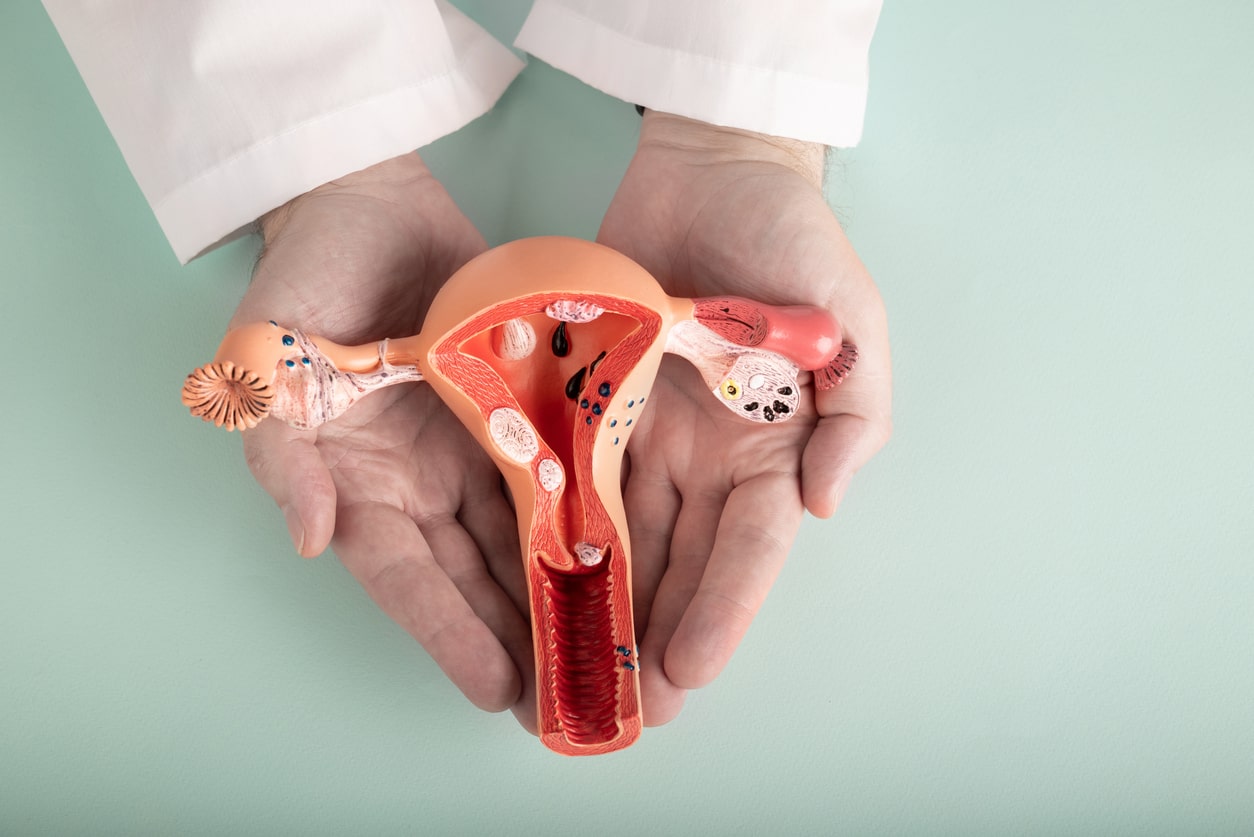
Endometriosis is a condition in which tissue similar to the inner lining of the uterus grows outside the uterus in other parts of the body. When this tissue develops in the wrong locations, it can cause symptoms such as pelvic pain, painful periods, heavy menstrual bleeding, and sometimes difficulty in getting pregnant. In some cases, scarring and blockage of the fallopian tubes may affect fertility.
Endometriosis commonly affects areas such as the ovaries, fallopian tubes, the outer surface of the uterus, the lining of the pelvis (peritoneum), the muscle layer of the uterus (myometrium), and the space behind the uterus. Less commonly, it may involve the bladder, intestines, rectum, vagina, diaphragm, or rarely even the lungs.
It is a relatively common condition affecting nearly 1 in 10 women worldwide, especially during the reproductive age group (20–40 years). With early diagnosis and appropriate treatment, symptoms of endometriosis can be effectively managed, helping improve comfort, fertility outcomes, and overall quality of life.
What are the Symptoms of Endometriosis?
The symptoms of Endometriosis can vary from person to person, but the most common symptom is pelvic pain, especially before and during menstrual periods. This pain occurs due to hormonal changes that increase inflammation in affected areas. While some women experience noticeable discomfort, others may have very mild symptoms or none at all.
Common symptoms of endometriosis include:
- Severe menstrual cramps that may worsen over time
- Pelvic pain, lower abdominal pain, or lower back pain during or between periods
- Heavy menstrual bleeding or spotting between periods
- Pain during or after intercourse
- Difficulty in conceiving (infertility)
- Pain while passing urine or stool, especially during menstruation
- Digestive issues such as bloating, constipation, or diarrhea
In some cases, women may not experience any symptoms and may only discover the condition during evaluation for infertility. It is important to note that the severity of symptoms does not always reflect the severity of the condition—some women with mild endometriosis may have significant pain, while others with more extensive disease may have minimal symptoms.
What Causes Endometriosis?
The exact cause of Endometriosis is not always clearly known, but several medical factors are believed to contribute to the development of this condition. It occurs when tissue similar to the lining of the uterus grows outside the uterus and responds to hormonal changes during the menstrual cycle.
Some commonly recognized possible causes include:
- Retrograde menstruation: Menstrual blood flows backward through the fallopian tubes into the pelvic cavity instead of leaving the body, allowing endometrial-like tissue to attach and grow outside the uterus.
- Hormonal imbalance: Increased estrogen levels may stimulate the growth of endometrial-like tissue outside the uterus.
- Immune system problems: A weakened immune response may make it harder for the body to identify and remove misplaced tissue.
- Genetic factors: Endometriosis can sometimes run in families, increasing the chances if close relatives are affected.
- Surgical history: Previous abdominal or pelvic surgeries, such as cesarean section, may rarely contribute to tissue implantation outside the uterus.
Although the exact cause may vary from person to person, early diagnosis and appropriate treatment can help manage symptoms effectively and reduce complications such as chronic pelvic pain and fertility concerns.
What are the Risk Factors for Endometriosis?
Certain factors may increase the likelihood of developing Endometriosis. While the condition can affect any woman during her reproductive years, some individuals may have a higher risk due to hormonal, genetic, or menstrual-related influences.
Common risk factors for endometriosis include:
- Family history: Women with a mother, sister, or close relative diagnosed with endometriosis may have a higher chance of developing the condition.
- Short menstrual cycles: Having menstrual cycles shorter than 27 days may increase the risk due to more frequent hormonal changes.
- Heavy or prolonged periods: Periods lasting longer than eight days can increase exposure to menstrual flow, which may contribute to the condition.
- Delayed pregnancy or not having children: Women who have not had children may have a slightly higher risk compared to those who have experienced pregnancy.
Understanding these risk factors can help in early recognition and timely medical consultation, leading to better symptom control and improved reproductive health outcomes.
What Complications Can Endometriosis Cause?
If left untreated, Endometriosis can lead to several health complications that may affect a woman’s daily comfort, reproductive health, and overall quality of life. Early diagnosis and proper treatment can help reduce these risks and manage symptoms effectively.
Some common complications associated with endometriosis include:
- Chronic pelvic pain: Persistent pain in the lower abdomen and pelvic region that may interfere with daily activities and work.
- Difficulty in conceiving (infertility): Scar tissue and blockage of the fallopian tubes may reduce the chances of natural pregnancy.
- Adhesions and scar tissue formation: Endometrial-like tissue growth can cause internal organs to stick together, leading to discomfort and reduced organ function.
- Ovarian cysts (endometriomas): Fluid-filled cysts may develop on the ovaries and require medical monitoring or treatment.
- Pain during intercourse: This can affect both physical comfort and emotional well-being.
- Digestive or urinary discomfort: In some cases, involvement of nearby organs like the bladder or intestines may cause pain during urination or bowel movements.
With timely medical care and personalized treatment planning, most complications of endometriosis can be effectively managed, helping women maintain better reproductive health and overall well-being.
How is Endometriosis Diagnosed?
Diagnosing Endometriosis usually involves a combination of medical history review, symptom evaluation, physical examination, and advanced imaging tests. Since symptoms can vary from person to person, an accurate diagnosis helps guide the most effective treatment plan.
Doctors typically begin by discussing your menstrual history, pelvic pain patterns, and any difficulty in conceiving. This is followed by a pelvic examination to check for tenderness, cysts, or abnormalities.
Additional diagnostic methods may include:
- Ultrasound: Helps identify ovarian cysts (endometriomas) and other pelvic abnormalities
- MRI scan: Provides detailed images to detect deeper endometriosis involvement
- Laparoscopy: A minimally invasive surgical procedure that allows direct visualization of endometrial tissue outside the uterus and confirms the diagnosis
Early and accurate diagnosis of endometriosis helps manage symptoms effectively, reduce complications, and support better fertility outcomes through timely treatment planning.
What is the Treatment for Endometriosis?
Treatment for Endometriosis depends on the severity of symptoms, the extent of the condition, and whether you are planning pregnancy. The main goal of treatment is to reduce pain, control disease progression, and improve fertility outcomes when required.
Common treatment options for endometriosis include:
- Pain management medications: These help relieve pelvic pain and menstrual discomfort associated with the condition.
- Hormonal therapy: Hormone-based treatments may slow the growth of endometrial-like tissue and regulate menstrual cycles.
- Lifestyle modifications: Healthy diet, regular exercise, and stress management can support symptom control and overall well-being.
- Laparoscopic surgery: Minimally invasive surgery may be recommended to remove endometriosis tissue, cysts, or adhesions, especially in moderate to severe cases.
- Fertility-focused treatment: For women facing difficulty conceiving, advanced options such as In Vitro Fertilization may be suggested to improve pregnancy chances.
With early diagnosis and personalized treatment planning under an experienced specialist like Dr. Renu Jain, most women can effectively manage symptoms and maintain good reproductive health.
Surgery for Endometriosis
Surgery is often recommended for women with moderate to severe Endometriosis, especially when symptoms such as persistent pelvic pain, ovarian cysts, or difficulty in conceiving do not improve with medications. The goal of surgery is to remove endometriosis tissue, reduce pain, and improve fertility outcomes while preserving healthy reproductive organs whenever possible.
The most common surgical treatment for endometriosis is laparoscopic surgery, a minimally invasive procedure performed through small incisions in the abdomen. During this procedure, the surgeon carefully removes endometriosis patches, adhesions (scar tissue), and ovarian cysts (endometriomas), helping relieve symptoms and restore normal pelvic anatomy.
Surgery may be recommended in the following situations:
- Severe or long-lasting pelvic pain
- Large ovarian endometriosis cysts
- Fertility problems related to endometriosis
- Poor response to medical or hormonal treatment
- Involvement of nearby organs such as the bladder or intestines
With expert surgical care from specialists like Dr. Renu Jain, laparoscopic treatment can significantly improve comfort, enhance fertility chances, and support long-term reproductive health outcomes.