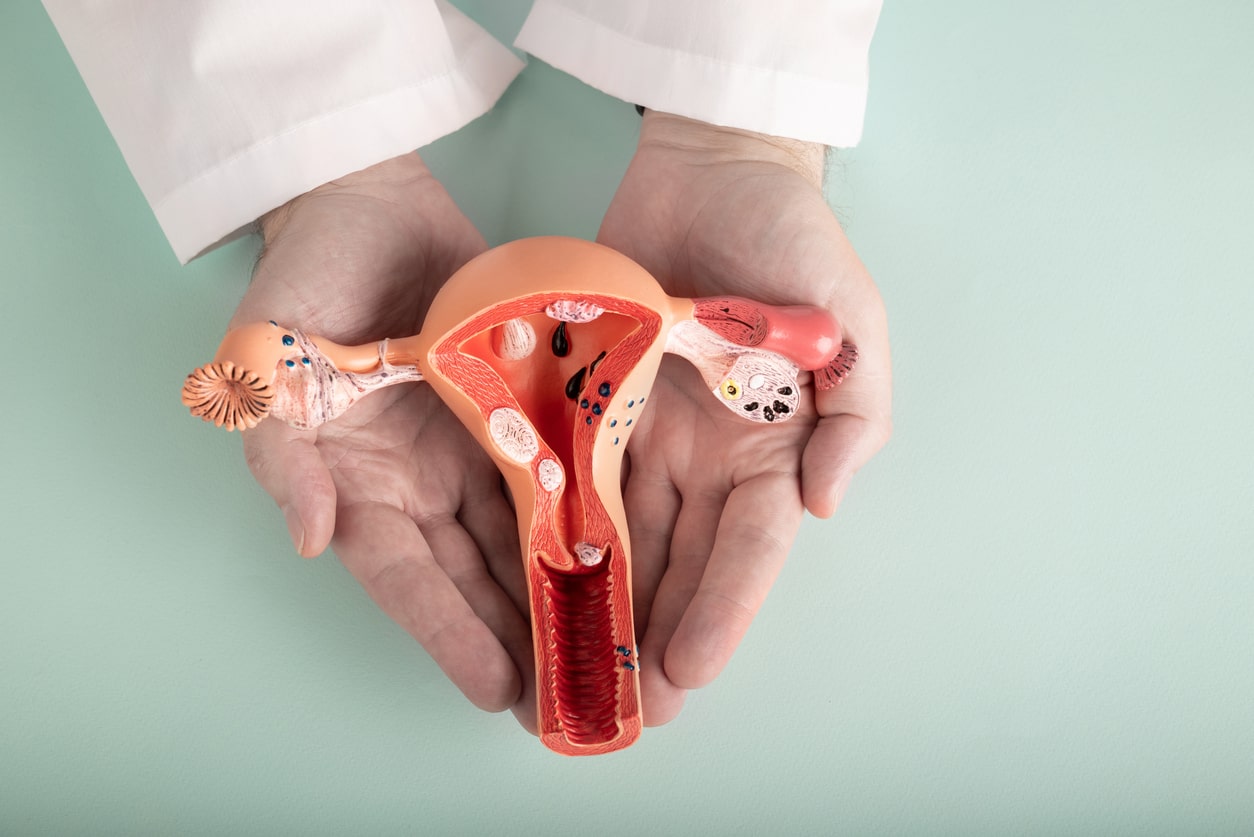
What are Uterine Fibroids?
Endometriosis is a condition in which tissue similar to the inner lining of the uterus grows outside the uterus in other parts of the body. When this tissue develops in the wrong locations, it can cause symptoms such as pelvic pain, painful periods, heavy menstrual bleeding, and sometimes difficulty in getting pregnant. In some cases, scarring and blockage of the fallopian tubes may affect fertility.
Endometriosis commonly affects areas such as the ovaries, fallopian tubes, the outer surface of the uterus, the lining of the pelvis (peritoneum), the muscle layer of the uterus (myometrium), and the space behind the uterus. Less commonly, it may involve the bladder, intestines, rectum, vagina, diaphragm, or rarely even the lungs.
It is a relatively common condition affecting nearly 1 in 10 women worldwide, especially during the reproductive age group (20–40 years). With early diagnosis and appropriate treatment, symptoms of endometriosis can be effectively managed, helping improve comfort, fertility outcomes, and overall quality of life.
Where do Fibroids Grow?
Uterine Fibroids can develop as a single growth or as multiple clusters inside or around the uterus. Their size may vary widely—from very small, like a seed, to large masses that can enlarge the uterus and affect nearby organs. In some cases, fibroids can grow several centimeters in diameter and may require medical attention depending on symptoms.
Fibroids can grow in different locations within the uterus, including:
- Within the muscular wall of the uterus (intramural fibroids)
- Inside the uterine cavity (submucosal fibroids)
- On the outer surface of the uterus (subserosal fibroids)
The size, number, and location of fibroids play an important role in determining symptoms and the most suitable treatment approach.
Types of Uterine Fibroids
Uterine Fibroids are classified based on their location within or around the uterus. Understanding the type of fibroid helps doctors decide the most appropriate treatment approach and manage symptoms effectively.
The main types of uterine fibroids include:
- Intramural fibroids: These are the most common type and develop within the muscular wall of the uterus. They may cause heavy menstrual bleeding, pelvic pain, or enlargement of the uterus.
- Submucosal fibroids: These grow just beneath the inner lining of the uterus and may affect menstrual flow and fertility in some women.
- Subserosal fibroids: These develop on the outer surface of the uterus and can grow larger over time, sometimes putting pressure on nearby organs such as the bladder or intestines.
- Pedunculated fibroids: These are less common and are attached to the uterus by a thin stalk, giving them a mushroom-like appearance. They may grow either inside or outside the uterus depending on their position.
The type, size, and location of fibroids play an important role in determining symptoms and the most suitable treatment plan for each patient.
What are the Symptoms of Uterine Fibroids?
The symptoms of Uterine Fibroids can vary depending on their size, number, and location. While some women may not experience any symptoms, others may notice changes in their menstrual cycle or pelvic discomfort that affect daily activities and overall well-being.
Common symptoms of uterine fibroids include:
- Heavy or prolonged menstrual bleeding
- Pelvic pain or pressure
- Lower back pain
- Frequent urination due to pressure on the bladder
- Abdominal swelling or a feeling of fullness
- Pain during intercourse
- Difficulty in conceiving in some cases
- Constipation or bowel discomfort if fibroids press on nearby organs
If fibroids grow larger or remain untreated, symptoms may gradually worsen over time. Early consultation with a gynecologist helps in timely diagnosis and selection of the most appropriate treatment to relieve symptoms and protect reproductive health.
What Causes Uterine Fibroids?
The exact cause of Uterine Fibroids is not fully known, but several hormonal, genetic, and lifestyle-related factors are believed to contribute to their development. Fibroids form when muscle cells in the uterus grow abnormally and create non-cancerous lumps.
Common factors that may increase the chances of developing uterine fibroids include:
- Hormonal changes: Higher levels of estrogen and progesterone during reproductive years may stimulate fibroid growth.
- Family history: Women with a family history of fibroids may have a higher risk of developing them.
- Age and reproductive years: Fibroids are more common in women between the ages of 20 and 45.
- Early onset of menstruation: Starting periods at a younger age may increase the likelihood of fibroid development.
- Lifestyle factors: Obesity, stress, and lack of regular physical activity may contribute to hormonal imbalance and increase risk.
- Although fibroids are common and usually non-cancerous, early medical evaluation helps manage symptoms effectively and prevent complications related to heavy bleeding, pelvic pain, or fertility concerns.
What are the Complications of Uterine Fibroids?
Most cases of Uterine Fibroids do not lead to serious health problems. However, when fibroids grow larger or remain untreated, they may cause complications that affect daily comfort, menstrual health, and fertility in some women.
Possible complications of uterine fibroids include:
- Persistent pelvic pain: Large fibroids may cause ongoing discomfort or pressure in the lower abdomen.
- Abdominal swelling or heaviness: Enlargement of fibroids can lead to visible abdominal fullness.
- Heavy menstrual bleeding: Excessive bleeding during periods may interfere with daily activities and overall well-being.
- Anemia: Long-term heavy bleeding can lead to low hemoglobin levels, causing weakness and fatigue.
- Difficulty in conceiving: In some cases, fibroids may affect fertility depending on their size and location.
Early diagnosis and timely treatment can help prevent these complications and support better reproductive health and quality of life.
How are Uterine Fibroids Diagnosed?
Diagnosis of Uterine Fibroids usually begins with a detailed medical history and evaluation of symptoms such as heavy menstrual bleeding, pelvic pain, or abdominal fullness. Early diagnosis helps determine the size, number, and location of fibroids and guides the most appropriate treatment plan.
Common methods used to diagnose uterine fibroids include:
- Pelvic examination: Your doctor may check for enlargement or irregular shape of the uterus during a routine gynecological exam.
- Ultrasound scan: This is the most commonly used imaging test to confirm the presence, size, and location of fibroids.
- MRI scan: In some cases, MRI may be recommended for a more detailed view, especially when planning treatment or surgery.
- Hysteroscopy: A thin camera is used to examine the inside of the uterus if fibroids are suspected within the uterine cavity.
Accurate diagnosis helps create a personalized treatment plan to relieve symptoms and protect reproductive health effectively.
What is the Treatment for Uterine Fibroids?
Treatment for Uterine Fibroids depends on several factors, including the size and location of the fibroids, severity of symptoms, age, and future pregnancy plans. Many women with small fibroids and mild symptoms may only require regular monitoring, while others may benefit from medical or surgical treatment.
Common treatment options include:
- Medication: Hormonal medicines may help control heavy bleeding and reduce fibroid-related symptoms.
- Lifestyle management: Healthy diet, weight control, and regular follow-ups can support symptom management in mild cases.
- Minimally invasive procedures: Laparoscopic (doorbeen) surgery may be recommended to remove fibroids with faster recovery and less discomfort.
- Myomectomy: A fertility-preserving surgical procedure to remove fibroids while keeping the uterus intact.
- Hysterectomy: In severe cases where symptoms are significant and family planning is complete, removal of the uterus may be advised.
- The choice of treatment is personalized to ensure symptom relief while protecting overall reproductive health and quality of life.