
Role of Placenta During Pregnancy: Functions, Importance & Common Placental Problems
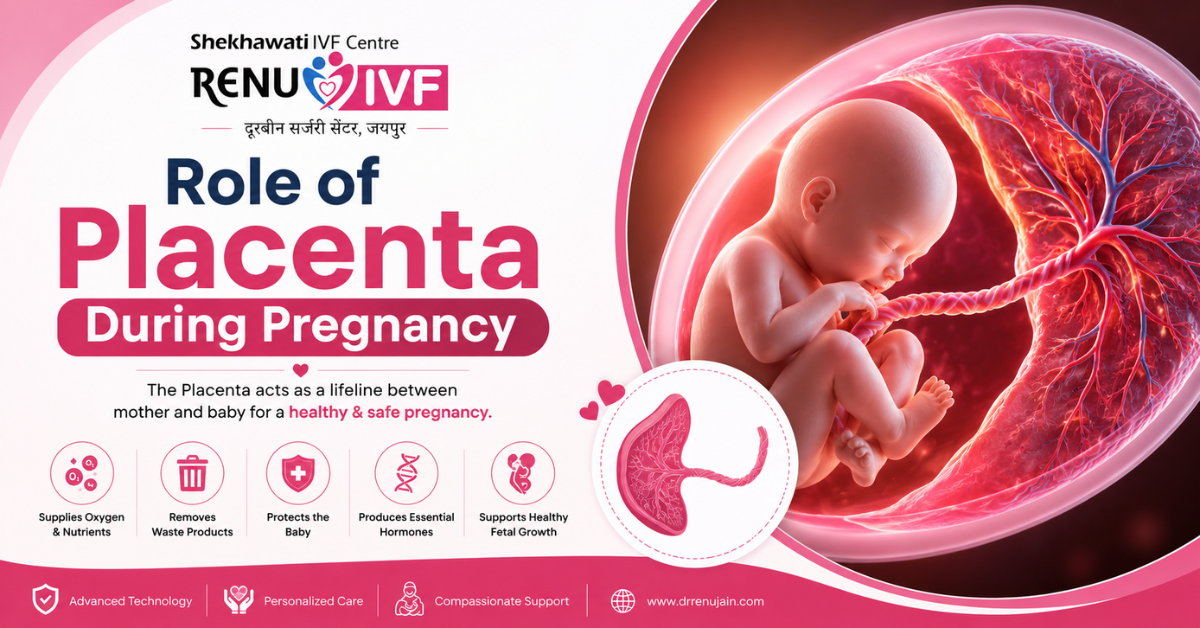

Pregnancy is a remarkable journey in which a woman’s body develops a temporary organ known as the placenta. Although many expectant mothers have heard of it, they often wonder about the role of placenta during pregnancy and why it is considered one of the most important organs for both mother and baby.
The placenta acts as a lifeline between the mother and the developing baby. It provides oxygen, nutrients, hormones, and immune protection while removing waste products from the baby’s blood. Without a healthy placenta, fetal growth and development can be affected significantly.
In this comprehensive guide, we’ll explore the role of placenta during pregnancy, its functions, common complications, warning signs, and ways to support placental health throughout pregnancy.
The placenta is a temporary organ that begins forming shortly after fertilization when the fertilized egg implants into the uterus. It attaches to the uterine wall and connects to the baby through the umbilical cord.
It continues growing throughout pregnancy and is usually fully developed by around 18–20 weeks of gestation. After childbirth, the placenta is delivered naturally during the third stage of labor.
Understanding the role of placenta during pregnancy helps parents appreciate how vital this organ is for the baby’s development.
One of the primary functions of the placenta is to transfer oxygen from the mother’s bloodstream to the baby through the umbilical cord.
Since the baby’s lungs are not yet functioning inside the womb, the placenta acts as the baby’s respiratory system.
The placenta transfers important nutrients, including:
These nutrients are essential for healthy fetal growth, brain development, and organ formation.
The placenta removes:
These waste products move back into the mother’s bloodstream, where her kidneys and lungs eliminate them naturally.
Another major role of placenta during pregnancy is hormone production.
The placenta produces hormones such as:
The placenta acts as a protective barrier.
It helps:
However, some viruses, alcohol, nicotine, and certain medications can still cross the placenta, making healthy lifestyle choices essential.
The placenta continuously adapts to meet the baby’s increasing nutritional and oxygen requirements throughout pregnancy.
A healthy placenta ensures:
Since the placenta is responsible for nourishing the baby, any problem affecting it may impact fetal growth and pregnancy outcomes.
Healthy placental function reduces the risk of:
Regular prenatal check-ups help monitor placental health effectively.
Although most pregnancies have a healthy placenta, some women may develop complications.
Placenta previa occurs when the placenta partially or completely covers the cervix.
Management depends on:
Many cases require careful monitoring, while severe cases may require a Caesarean delivery.
Placental abruption happens when the placenta separates from the uterine wall before delivery.
This is considered a medical emergency requiring immediate care.
This condition occurs when the placenta grows too deeply into the uterine wall.
Risk factors include:
It often requires specialized obstetric management.
Placental insufficiency means the placenta cannot deliver enough oxygen and nutrients to the baby.
Possible complications include:
Regular ultrasound monitoring helps detect this condition early.
Seek immediate medical attention if you experience:
Never ignore these symptoms during pregnancy.
Although not every placental problem can be prevented, healthy lifestyle habits improve overall pregnancy outcomes.
Consume foods rich in:
Routine ultrasounds help evaluate:
High blood pressure increases the risk of placental complications.
Regular monitoring and timely treatment are essential.
Smoking reduces oxygen supply to the placenta and increases the risk of:
Alcohol should also be completely avoided during pregnancy.
Proper hydration supports healthy blood circulation between mother and baby.
Take only medications prescribed by your obstetrician and never self-medicate during pregnancy.
During prenatal visits, your doctor may recommend:
These investigations help identify placental problems before they become serious.
Consult your doctor immediately if you experience:
Early diagnosis significantly improves pregnancy outcomes.
If you’re looking for expert pregnancy care and personalized guidance, consult the Best Gynecologist in Murlipura Jaipur. Regular antenatal care under an experienced specialist can help monitor placental health, detect complications early, and ensure the best possible care for both mother and baby.
The role of placenta during pregnancy is to provide oxygen and nutrients to the baby, remove waste products, produce pregnancy hormones, and support healthy fetal development.
Yes. If the placenta does not function properly, the baby may receive less oxygen and nutrition, leading to fetal growth restriction.
The placenta begins developing shortly after implantation and becomes fully functional during the early weeks of pregnancy. It continues growing throughout pregnancy.
Yes. Ultrasound scans, Doppler studies, and routine prenatal examinations help detect most placental problems early.
A balanced diet containing iron, protein, folic acid, calcium, fruits, vegetables, and healthy fats supports placental function and fetal development.
Not always, but vaginal bleeding during pregnancy should never be ignored. It requires immediate evaluation by a gynecologist.
The placenta provides partial protection and transfers antibodies from the mother to the baby. However, certain infections, viruses, medications, alcohol, and smoking can still affect the fetus.
The role of placenta during pregnancy is far more significant than many people realize. It serves as the baby’s lungs, kidneys, digestive system, and hormone-producing organ until birth. A healthy placenta supports proper fetal growth, protects the baby, and helps maintain a healthy pregnancy.
Regular prenatal check-ups, a nutritious diet, healthy lifestyle habits, and prompt medical attention for any unusual symptoms are essential for maintaining placental health. If you have concerns about your pregnancy or placental function, consult an experienced obstetrician for timely evaluation and care. Early diagnosis and expert guidance can make a significant difference in ensuring a safe pregnancy and a healthy baby.
 Optimized by Seraphinite Accelerator