Infertility Caused by Damaged or Blocked Fallopian Tubes
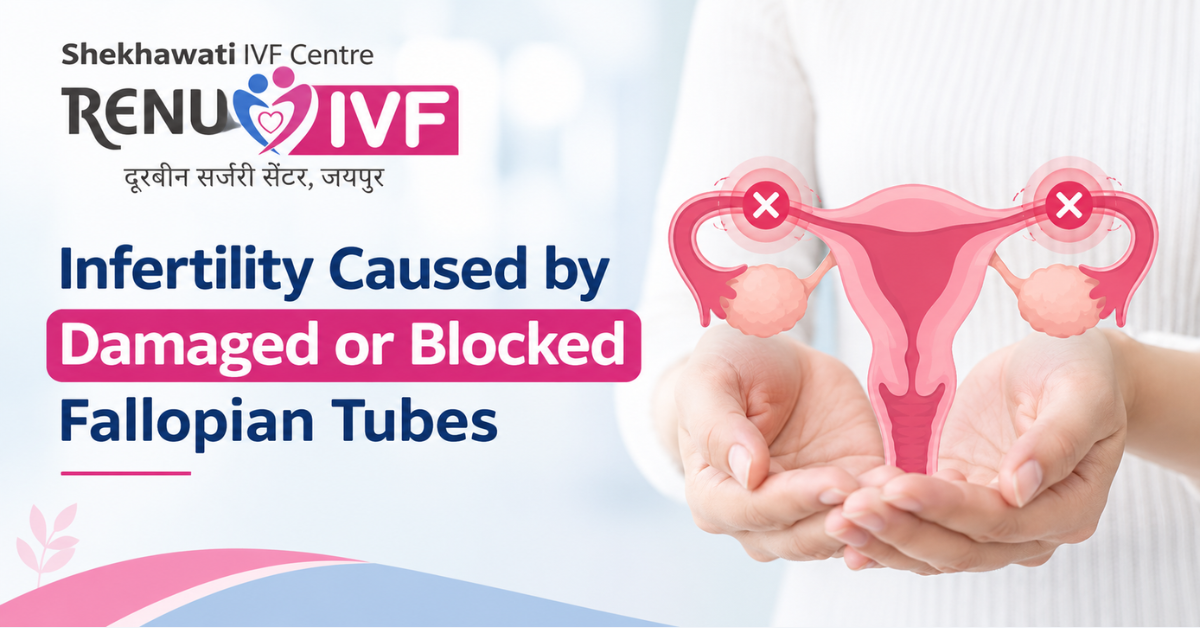

Struggling to conceive can be emotionally overwhelming, especially when there’s no clear reason why. One of the most common yet often overlooked causes of female infertility is infertility caused by blocked fallopian tubes. In fact, tubal factor infertility accounts for nearly 25-30% of all female infertility cases worldwide. Understanding how this condition develops, its symptoms, and available treatment options can help you take the right steps toward parenthood.
The fallopian tubes are thin, muscular tubes that connect the ovaries to the uterus. Their job is simple but crucial: they carry the egg released from the ovary to the uterus, and they’re also the site where fertilization typically occurs when sperm meets the egg.
When these tubes are healthy, sperm can travel up to meet the egg, and the fertilized egg can move down into the uterus for implantation. But when the tubes are damaged, blocked, or scarred, this natural process is disrupted—making natural conception difficult or, in some cases, impossible.
Several factors can lead to tubal damage, including:
1. Pelvic Inflammatory Disease (PID)
PID is one of the leading causes of blocked fallopian tubes. It usually develops from untreated sexually transmitted infections like chlamydia or gonorrhea, causing inflammation and scarring inside the tubes.
2. Endometriosis
This condition occurs when tissue similar to the uterine lining grows outside the uterus, sometimes affecting the fallopian tubes and causing blockages or adhesions.
3. Previous Abdominal or Pelvic Surgery
Surgeries such as appendectomies, ovarian cyst removal, or previous ectopic pregnancy treatments can leave behind scar tissue that blocks the tubes.
4. Hydrosalpinx
This is a specific condition where a fallopian tube becomes blocked and fills with fluid, often as a result of infection or inflammation.
5. Uterine Fibroids
Large fibroids near the fallopian tube openings can sometimes press against or block the tubes.
6. Ectopic Pregnancy History
A previous ectopic pregnancy (where the embryo implants outside the uterus, often in the tube) can cause scarring that affects future fertility.

The tricky part about tubal blockage is that it often shows no obvious symptoms. Many women only discover the issue while undergoing fertility investigations. However, some women may experience:
If you’ve been trying to conceive for over a year (or six months if you’re above 35) without success, it’s important to consult a fertility specialist for proper evaluation.
Doctors use several diagnostic tools to check the condition of the fallopian tubes:
Early and accurate diagnosis plays a major role in determining the right treatment path.
The good news is that tubal factor infertility is treatable, and many women go on to have successful pregnancies with the right medical guidance. Treatment depends on the extent and location of the blockage.
If the blockage is mild or located at one end of the tube, surgery can sometimes remove scar tissue or open the blocked section, restoring natural fertility.
This procedure is used for blockages near the uterus and involves inserting a thin catheter to clear the obstruction.
When a tube is severely damaged and filled with fluid, doctors may recommend removing it entirely before proceeding with IVF, as hydrosalpinx fluid can reduce IVF success rates.
For many women with severely damaged or blocked tubes, IVF is the most effective solution. Since IVF involves fertilizing the egg outside the body and directly transferring the embryo into the uterus, it completely bypasses the fallopian tubes—making pregnancy possible even when tubal repair isn’t feasible.
This is why choosing the right fertility clinic matters so much. If you’re looking for the Best IVF Specialist in Jaipur, it’s essential to choose a clinic with advanced diagnostic tools, high success rates, and a personalized treatment approach tailored to your specific condition.
Tubal infertility can feel discouraging, but with the right specialist, most women find a path forward. An experienced fertility expert doesn’t just recommend a one-size-fits-all treatment—they evaluate your medical history, the extent of tubal damage, age, and overall reproductive health before suggesting the best course of action.
Dr Renu Jain is a well-known name in the field of fertility treatment, known for helping countless couples overcome tubal factor infertility through accurate diagnosis and advanced IVF protocols. Consulting an experienced specialist early can significantly improve your chances of a successful pregnancy and reduce the emotional stress associated with the fertility journey.
While not all cases are preventable, certain steps can reduce your risk:
Infertility caused by blocked fallopian tubes is a common but manageable condition. With advancements in reproductive medicine—especially IVF—many women with tubal damage have gone on to have healthy pregnancies. The key is early diagnosis, understanding your options, and consulting a trusted fertility specialist who can guide you through the right treatment plan.
If you suspect tubal blockage or have been trying to conceive without success, don’t wait. Reach out to a qualified fertility expert today and take the first step toward building your family.
1. Can you get pregnant naturally with one blocked fallopian tube?
Yes, if one tube is fully open and functioning, natural pregnancy is still possible, though it may take a bit longer.
2. Is blocked fallopian tube infertility permanent?
Not necessarily. Depending on the cause and severity, treatments like laparoscopic surgery or IVF can help you conceive successfully.
3. Does IVF work if both fallopian tubes are blocked?
Yes. IVF bypasses the fallopian tubes entirely by fertilizing the egg outside the body and transferring the embryo directly into the uterus.
4. What is the success rate of IVF for tubal infertility?
Success rates vary based on age, egg quality, and clinic expertise, but IVF is generally very effective for tubal factor infertility, especially when performed by an experienced specialist.
5. How do I know if my fallopian tubes are blocked?
The most common diagnostic test is a Hysterosalpingography (HSG), which uses X-ray imaging and dye to check whether the tubes are open or blocked.
6. Can blocked fallopian tubes cause other health issues?
Yes, in some cases, conditions like hydrosalpinx can lead to pelvic pain and increase the risk of infection if left untreated.
 Optimized by Seraphinite Accelerator