Why Renu IVF? Dr. Renu Jain Doorbeen Surgery Contact Us
Overview

Overview - Ovarian Cysts Treatment in Jaipur

Ovarian cysts are fluid-filled sacs that develop on or inside the ovaries and can affect women of all ages. While many cysts are harmless and resolve on their own, some can cause pain, irregular periods, or fertility challenges. Early diagnosis is essential to prevent complications such as rupture, torsion, or impact on reproductive health. At Dr. Renu Jain’s clinic, we offer advanced diagnostic tools, including ultrasound and hormone assessments, to accurately identify the type and cause of ovarian cysts.

Personalized treatment plans, ranging from medication and minimally invasive surgery to fertility-focused care, ensure that each patient receives safe and effective treatment. Timely intervention helps restore health, relieve symptoms, and protect fertility.
What Are Ovarian Cysts?

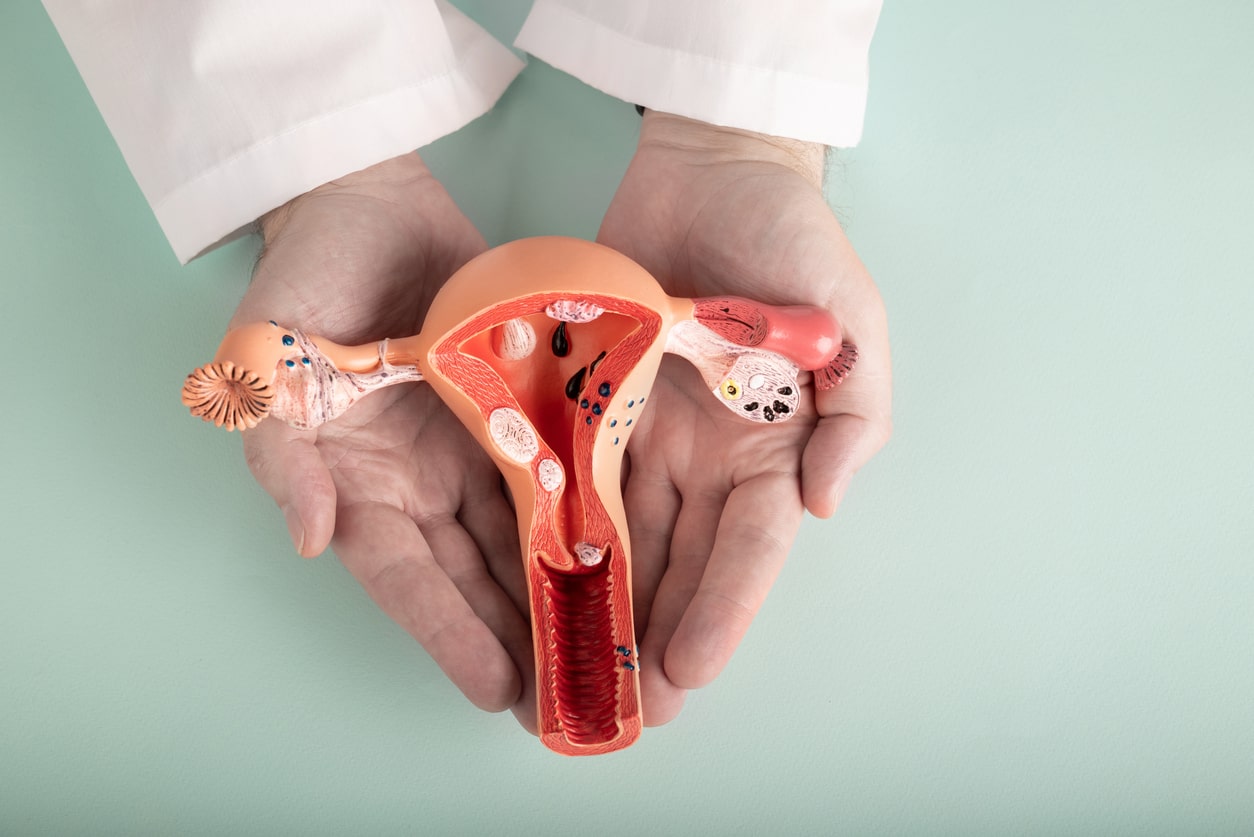
Ovarian cysts are fluid-filled sacs that develop on or inside the ovaries. While many cysts are harmless and may resolve on their own, some can cause discomfort, irregular periods, or affect fertility. Early detection is essential to prevent complications and protect reproductive health.

At Shekhawati IVF, we provide precise diagnosis and personalized treatment plans. By understanding the types, causes, and symptoms of ovarian cysts, women can take informed steps to maintain ovarian health and safeguard their chances of conception.

Types of Ovarian Cysts

Ovarian cysts can be classified into several types:

  • Functional Cysts: Follicular or corpus luteum cysts, hormone-related and usually harmless.
  • Dermoid Cysts (Mature Cystic Teratomas): Can contain tissues like hair, skin, or teeth.
  • Endometriomas: Cysts formed from endometrial tissue, often linked to endometriosis.
  • Cystadenomas: Arise from the ovarian surface and may contain serous or mucinous fluid.
  • Polycystic Ovaries (PCOS): Multiple small follicles that do not fully ovulate.

Causes of Ovarian Cysts

Common causes include:

  • Hormonal imbalances
  • Ovulation irregularities
  • PCOS
  • Endometriosis
  • Natural changes during pregnancy

Symptoms of Ovarian Cysts

Common Symptoms:

  • Pelvic pain or pressure
  • Bloating or abdominal fullness
  • Irregular menstrual cycles
  • Pain during intercourse
  • Frequent urination

Severe Symptoms (High Alert):

  • Sudden, intense pelvic pain (possible cyst rupture)
  • Severe abdominal pain with nausea or vomiting (ovarian torsion)
  • Dizziness or fainting

Other Signs:

  • Fatigue, digestive issues, or breast tenderness

Early recognition allows for timely evaluation and effective treatment.

Risks and Complications

While most ovarian cysts are benign, untreated cysts may cause:

  • Ovarian torsion (restricted blood supply)
  • Rupture causing internal bleeding and severe pain
  • Fertility issues (especially with PCOS or endometriosis)
  • Rare risk of malignancy

Timely intervention reduces complications and preserves reproductive potential.

Diagnosis of Ovarian Cysts

Accurate diagnosis ensures safe management and treatment planning:

  • Pelvic Exam: Detects swelling, tenderness, or masses.
  • Ultrasound: Visualizes cyst size, structure, and location; transvaginal ultrasound provides enhanced accuracy.
  • Blood Tests: CA-125 or hormonal tests help assess risk factors or underlying conditions like PCOS.
  • Laparoscopy: Minimally invasive procedure for diagnosis and removal of persistent or complex cysts.
  • Combining these approaches allows specialists to create a precise, personalized treatment plan.

Treatment of Ovarian Cysts

  • Watchful Waiting: Functional cysts often resolve naturally. Doctors monitor them through periodic exams and ultrasounds.
  • Hormonal Treatment: Oral contraceptives or other hormone therapies can prevent cyst formation, regulate menstrual cycles, and reduce discomfort.
  • Surgical Intervention: Laparoscopic surgery removes large, recurring, or symptomatic cysts while preserving ovarian tissue. Complex cases may require laparotomy.
  • Fertility Support: If cysts impact conception, treatments like IVF can help women achieve pregnancy safely.
  • Lifestyle Measures: Balanced nutrition, stress management, and menstrual cycle tracking may reduce recurrence and support reproductive health.

When to See a Doctor?

Seek medical attention if you experience:

  • Sudden or severe pelvic pain (possible rupture or torsion)
  • Persistent bloating or abdominal swelling
  • Irregular, heavy, or missed periods
  • Difficulty conceiving
  • Pain during intercourse, frequent urination, fatigue, or lower back discomfort

Regular gynecological check-ups are important even without symptoms to detect cysts early and preserve fertility.

Why Choose Dr. Dr. Renu Jain?

Dr. Renu Jain

Why Choose Dr. Renu Jain for Ovarian Cysts Treatment?

Extensive Expertise

Dr. Renu Jain has years of experience in diagnosing and treating ovarian cysts, PCOS, and related reproductive health conditions, helping women regain their fertility and confidence.

Personalized Treatment Plans

Every patient receives a tailored approach based on age, medical history, type of cyst, and fertility goals, ensuring safe and effective care.

Advanced Diagnostic Tools

From ultrasound and transvaginal scans to laparoscopy and hormonal testing, Dr. Jain uses the latest technology for precise diagnosis.

Comprehensive Treatment Options

Whether it’s watchful waiting, hormonal therapy, minimally invasive surgery, or IVF, she provides solutions that match each patient’s needs.

Compassionate Care & Support

Understanding the emotional and physical challenges, Dr. Jain guides patients with empathy, clear communication, and continuous support.

Proven Success & Trust

Countless women have successfully treated ovarian cysts and achieved pregnancy under her care, reflecting her skill, dedication, and patient-focused approach.

Welcome to Shekhawati IVF Centre, Jaipur

Shekhawati IVF Centre, Jaipur is a trusted fertility and women’s healthcare center dedicated to helping couples achieve their dream of parenthood through advanced and affordable treatments. Led by experienced IVF specialist Dr. Renu Jain, the centre offers a state-of-the-art IVF laboratory and modern facilities for infertility care, gynecological problems, high-risk pregnancy management, and laparoscopic (doorbeen) surgery. We specialize in IVF, IUI, ICSI, fertility preservation, and minimally invasive procedures. With personalized treatment plans, compassionate care, and ethical medical practices, we ensure safe, effective, and patient-focused support throughout your parenthood journey.

Book appointment today!

Scheduling your visit is quick and easy—connect with our team today and take the first step toward personalized care.

    What is 1 + 8 ? Refresh icon

    Family Portrait

    Mon To Sat: 09:00 AM To 07:00 PM

    Emergency: 24 hours

    FAQs – Ovarian Cysts Treatment

    Most ovarian cysts do not cause obvious symptoms and are discovered during routine gynecological exams or fertility evaluations. However, persistent pelvic pain, bloating, irregular periods, or difficulty conceiving can be early warning signs.

    Some cysts, especially those caused by PCOS or endometriosis, may interfere with ovulation and fertility. Early evaluation and treatment by Dr. Renu Jain can restore ovarian function and improve your chances of conception.

    Most ovarian cysts are harmless and resolve naturally, but large or persistent cysts can cause pain, rupture, or, in rare cases, complications that affect fertility. Timely consultation ensures safe management.

    Not always. Many cysts can be monitored or treated with hormone therapy. Surgery, usually minimally invasive laparoscopy, is considered only for large, recurrent, or complex cysts that do not respond to conservative treatment.

    Recovery depends on the treatment type. Hormonal therapy requires no downtime, while laparoscopy usually allows a return to normal activities within a few days. Dr. Renu Jain ensures care is as safe and comfortable as possible.

    Yes. Maintaining a healthy diet, managing stress, exercising moderately, and monitoring menstrual cycles can reduce recurrence and support ovarian health, complementing medical or surgical treatment.