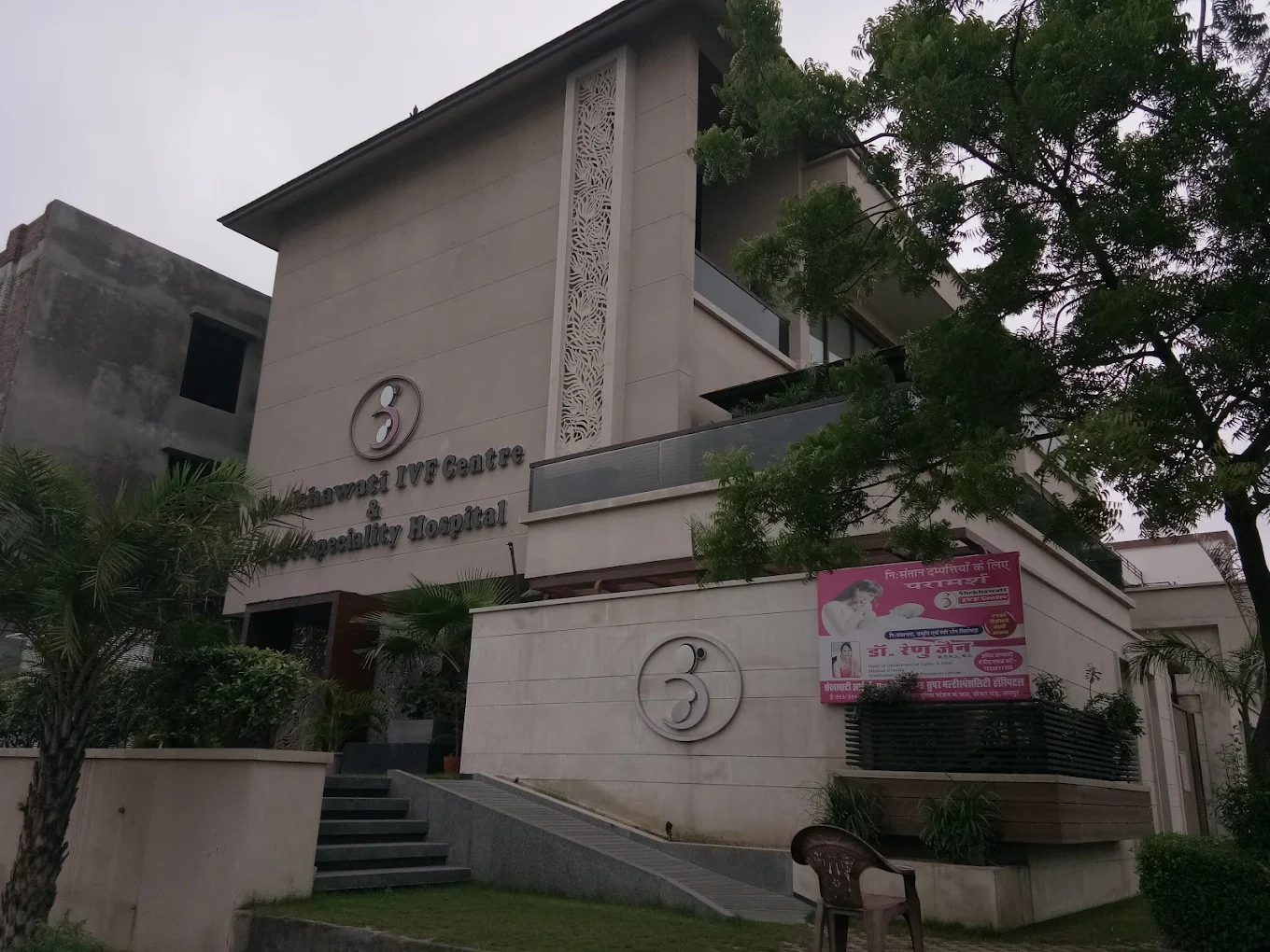
ICSI Treatment in Jaipur
Dr Renu Jain
MBBS, MS (Gynae. & Obst.) IVF and Fertility Specialist
Top-Rated In ICSI Treatment in Jaipur
ICSI Treatment: Intracytoplasmic sperm injection is a specialized form of IVF used to treat severe male infertility. For ICSI stimulation, book an appointment at Shekhawati IVF Centre!



ICSI Treatment (Intracytoplasmic Sperm Injection) - Overview
ICSI (Intracytoplasmic Sperm Injection) is an advanced fertility treatment used to address severe male infertility issues. In this procedure, a single healthy sperm is carefully injected directly into a mature egg in a controlled laboratory environment, significantly increasing the chances of fertilization. ICSI is commonly recommended for low sperm count, poor motility, or previous IVF failures. The fertilized embryo is then monitored and transferred into the uterus for implantation. At Shekhawati IVF Centre, Jaipur, ICSI is performed using advanced technology and expert care, offering higher success rates and renewed hope for couples struggling with infertility.
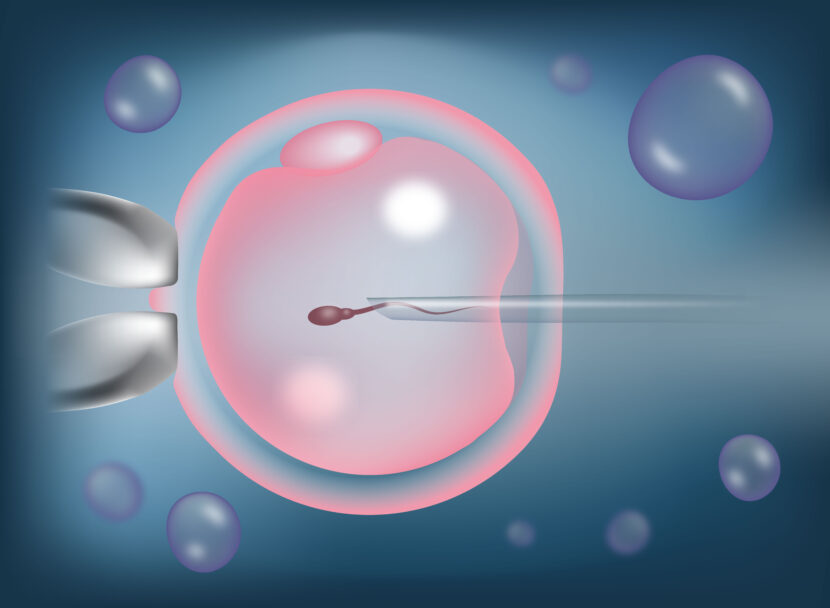
Step-by-Step ICSI Procedure at Shekhawati IVF Centre, Jaipur
Intracytoplasmic Sperm Injection (ICSI) is an advanced form of IVF treatment designed to overcome male infertility and improve fertilization success. At Shekhawati IVF Centre, Jaipur, the ICSI procedure is performed with precision and expert care through the following steps:

Ovarian Reserve Testing
Before starting the treatment, the female partner undergoes tests to assess ovarian reserve and overall reproductive health.
Ovarian Stimulation
Fertility medications are given to stimulate the ovaries to produce multiple eggs, increasing the chances of successful fertilization.
Monitoring & Follicle Growth
Regular ultrasounds and hormone tests are conducted to monitor follicle development and determine the optimal timing for egg retrieval.
Egg Retrieval
Once the follicles reach the desired size, an hCG trigger injection is given. Eggs are then retrieved from the ovaries approximately 34–36 hours later using a minimally invasive procedure.
Sperm Collection & Preparation
On the same day, a semen sample is collected from the male partner. In cases of severe male infertility, sperm may be retrieved using advanced techniques like TESA or TESE. The healthiest sperm are then selected through a lab process called sperm washing.
ICSI Procedure
A single healthy sperm is carefully injected directly into each mature egg using advanced microscopic equipment, ensuring precise fertilization.
Embryo Development (Incubation)
Fertilized eggs (embryos) are cultured in a controlled laboratory environment for 3–5 days to monitor their growth and quality.
Embryo Transfer
One or more healthy embryos are selected and gently transferred into the uterus to achieve pregnancy.
Post-Transfer Care & Pregnancy Test
After the transfer, supportive medications like progesterone may be prescribed. A pregnancy test is conducted 10–14 days later to confirm the results.
Why Choose ICSI Treatment at Dr. Renu Jain’s Shekhawati IVF Centre, Jaipur?
Choosing the right fertility center is a crucial step in your parenthood journey. At Shekhawati IVF Centre, Jaipur, under the expert guidance of Dr. Renu Jain, we provide advanced ICSI (Intracytoplasmic Sperm Injection) treatment with a focus on accuracy, safety, and higher success rates.

Cost of ICSI Treatment in Jaipur
The cost of ICSI treatment in Jaipur at Sattva Fertility generally ranges between ₹1,25,000 and ₹2,50,000. The exact cost may vary depending on several individual factors such as the patient’s medical history, previous fertility treatments, age, BMI, and whether any additional procedures like genetic testing or embryo freezing are required.
In some cases, the use of donor sperm or donor eggs may also influence the overall treatment cost.
Since every fertility journey is unique, it is recommended to schedule a consultation with a fertility specialist. This helps the medical team assess your condition properly and provide a personalized treatment plan along with a more accurate cost estimate.
Contact UsWhat is ICSI (Intracytoplasmic Sperm Injection)?
ICSI (Intracytoplasmic Sperm Injection) is an advanced fertility treatment technique performed as part of IVF (In Vitro Fertilization). In this procedure, a single healthy sperm is carefully injected directly into a mature egg in a controlled laboratory environment to achieve fertilization.
Infertility can affect both men and women due to various medical conditions. Fortunately, with advancements in reproductive medicine, several effective treatments—such as ICSI, IVF, IUI, ZIFT, and GIFT—are available today to help couples overcome fertility challenges.
ICSI is one of the most effective Assisted Reproductive Technology (ART) procedures, especially for treating male-factor infertility, including:
- Low sperm count
- Poor sperm motility
- Abnormal sperm morphology
After fertilization in the laboratory, the embryo is transferred into the uterus to improve the chances of pregnancy. With modern laboratory techniques and specialist expertise, ICSI has become one of the most reliable fertility solutions for couples planning parenthood.
When is ICSI Recommended?
ICSI treatment is usually recommended in the following situations:
- Low sperm count
- Poor sperm motility
- Abnormal sperm shape (morphology)
- Previous IVF fertilization failure
- History of vasectomy
- Use of surgically retrieved sperm (TESA / PESA)
- Use of frozen (cryopreserved) semen samples
Your fertility specialist will recommend ICSI after evaluating your medical history and diagnostic reports.
Who Can Benefit from ICSI Treatment?
ICSI may be beneficial in the following conditions:
- Low Sperm Count When semen analysis shows fewer sperm than required for natural fertilization, ICSI significantly improves fertilization chances.
- Poor Sperm Motility If sperm movement is weak and unable to reach the egg naturally, ICSI helps by injecting sperm directly into the egg.
- Abnormal Sperm Morphology Irregular sperm shape can prevent penetration into the egg. ICSI bypasses this barrier effectively.
- Previous Vasectomy Sperm can be surgically retrieved from the testes or epididymis and used for fertilization through ICSI.
- Failed Previous Fertility Treatments If treatments like IUI or conventional IVF have not been successful earlier, ICSI is often recommended as the next step.
Step-by-Step Process of ICSI Treatment in Jaipur
The ICSI procedure involves multiple carefully planned stages to maximize success rates:
- Initial Consultation: The fertility specialist evaluates both partners through medical history, reports, and diagnostic tests to determine whether ICSI is suitable.
- Ovarian Stimulation: Hormonal injections are given to stimulate the ovaries to produce multiple mature eggs.
- Egg Retrieval: Eggs are collected using a minimally invasive procedure under mild anesthesia.
- Sperm Collection: A semen sample is collected from the male partner on the same day as egg retrieval. Usually, 2–3 days of abstinence is recommended before sample collection.
- Sperm Preparation: Healthy and active sperm are selected in the laboratory using advanced techniques.
- Sperm Injection: A single high-quality sperm is injected directly into each mature egg using microsurgical equipment.
- Fertilization Monitoring: Fertilized eggs are monitored carefully for embryo development over several days.
- Embryo Transfer: One or more healthy embryos are transferred into the uterus typically 3–5 days after fertilization.
- Pregnancy Test: A pregnancy test is performed approximately 14 days after embryo transfer to confirm results. 🤍
Success Rate of ICSI Treatment in Jaipur
- ICSI is used in nearly 60% of IVF procedures worldwide, and pregnancy success rates with ICSI are comparable to conventional IVF treatments.Typically:
- Fertilization success rates range between 50% to 80%
- Outcomes depend on age, egg quality, sperm quality, uterine health, and medical history
With experienced fertility specialists and advanced laboratory support, ICSI offers strong success potential for eligible couples.
Why Choose Shekhawati IVF Centre for ICSI Treatment in Jaipur?
At Shekhawati IVF Centre, we understand that starting a family is one of life’s most meaningful journeys. Fertility treatment can feel overwhelming—but with the right guidance and expert care, the process becomes smoother and more reassuring.
Our experienced fertility specialists provide:
✔ Personalized fertility treatment plans
✔ Advanced laboratory technology
✔ High-precision ICSI procedures
✔ Compassionate patient-focused care
✔ Transparent and ethical treatment approach
Our goal is to maximize your chances of achieving a successful pregnancy while minimizing the need for repeated treatment cycles.
Since every patient’s fertility condition is unique, treatment plans may include options such as:
- ICSI treatment
- IVF treatment
- IUI treatment
- Donor egg programs
- Donor sperm programs
With expert guidance and continuous support, Shekhawati IVF Centre stands with you at every step of your parenthood journey.
Book appointment today!
Scheduling your visit is quick and easy—connect with our team today and take the first step toward personalized care.

FAQs
Frequently Asked Questions (FAQs) About ICSI Treatment in Jaipur
ICSI treatment is generally not painful. Most steps, including egg retrieval, are performed under mild anesthesia, so patients remain comfortable during the procedure. Some women may experience mild bloating or cramps afterward, which usually resolve within a short time.
A typical ICSI treatment cycle usually takes about 2 to 4 weeks, starting from ovarian stimulation to embryo transfer. After the transfer, a pregnancy test is done approximately 14 days later to confirm results.
The success of ICSI treatment depends on several factors such as age, egg quality, sperm health, uterine condition, and previous fertility history. On average, fertilization success rates range between 50% to 80%, but your fertility specialist will provide a more accurate estimate after evaluating your reports.
ICSI is commonly recommended when there are male fertility issues such as low sperm count, poor sperm motility, abnormal sperm shape, or previous IVF fertilization failure. It may also be suggested when surgically retrieved sperm or frozen sperm samples are being used.
Yes. ICSI is often recommended for couples who have experienced failed IUI or IVF cycles in the past. Since the sperm is directly injected into the egg, it significantly improves the chances of fertilization in many such cases.
Complete bed rest is not required after embryo transfer. Patients are usually advised to take light rest for 24 hours and avoid heavy physical activity. Most women can safely resume normal routine activities within a day, as advised by their doctor.
The best way to determine whether ICSI is suitable for you is through a detailed fertility evaluation. At Shekhawati IVF Centre, specialists review your medical history, hormone levels, semen analysis, and ultrasound findings before recommending a personalized treatment plan.