Why Renu IVF? Dr. Renu Jain Doorbeen Surgery Contact Us
Overview

Overview - Blocked Fallopian Tubes Treatment in Jaipur

Blocked fallopian tubes are one of the most common causes of female infertility, preventing the egg and sperm from meeting. Many women may not realize they have this condition until they face difficulty conceiving. Early diagnosis is crucial and can be achieved through tests like HSG, ultrasound, or laparoscopy. At Dr. Renu Jain’s Shekhawati IVF Centre, we provide precise evaluation and personalized treatment plans, including surgical and non-surgical options, to restore fertility. With advanced technology, compassionate care, and proven success rates, Dr. Renu Jain helps women overcome this challenge and take confident steps toward achieving their dream of motherhood.
What Are Fallopian Tubes?

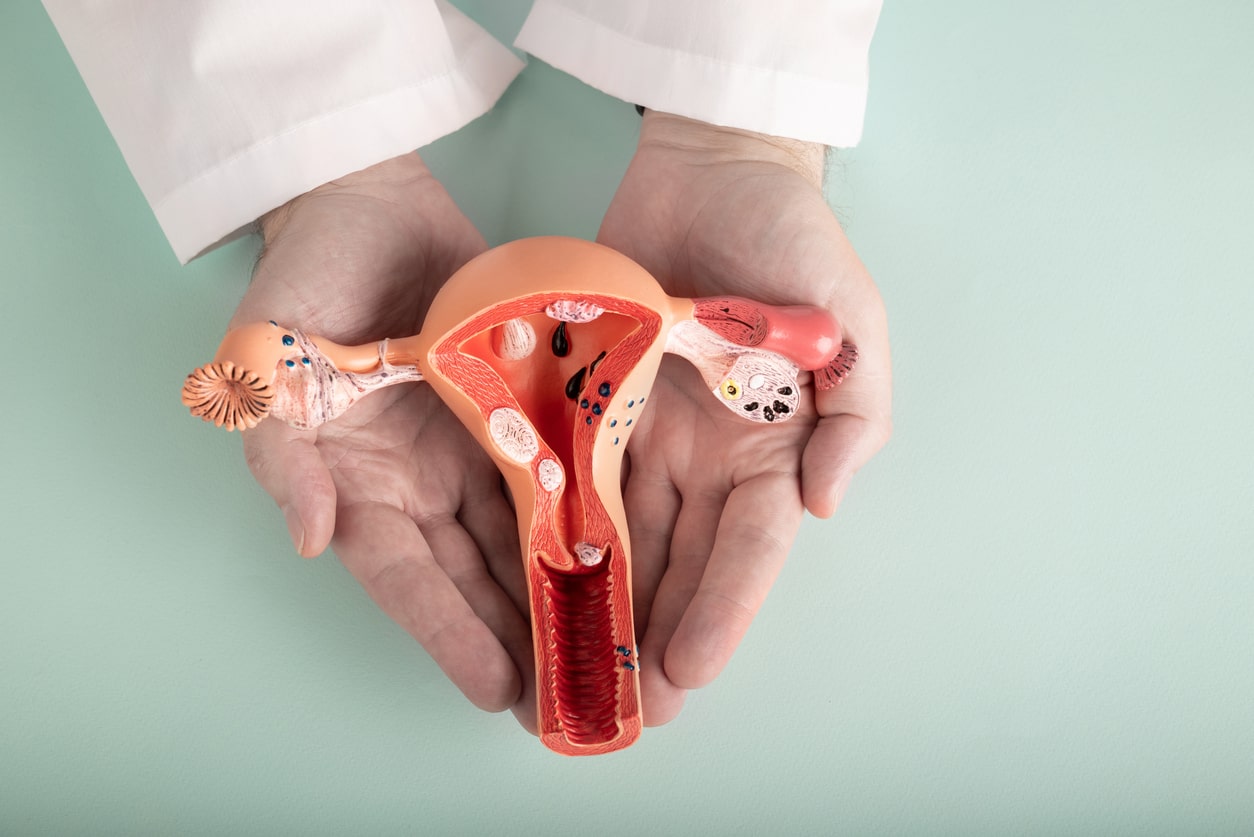
Fallopian tubes are paired, slender, and flexible tubes located on either side of the uterus. They play a crucial role in conception by carrying eggs from the ovaries to the uterus. After ovulation, the egg is released from the ovary into the fallopian tube, where it may meet sperm for fertilization. Once fertilized, the fallopian tube guides the embryo toward the uterus for implantation.

In simple terms: fallopian tubes are essential reproductive structures that transport eggs from the ovaries to the uterus and enable fertilization. Even a minor blockage in these tubes can significantly reduce the chances of pregnancy.

What Are the Symptoms of a Blocked Fallopian Tube?

In most cases, blocked fallopian tubes do not cause noticeable symptoms, and many women remain unaware until they experience difficulty conceiving. However, some women may notice signs related to the reproductive system or underlying conditions. Common symptoms can include:

  • Pelvic or lower abdominal pain
  • Irregular menstrual cycles
  • Painful periods
  • Pain during intercourse
  • Difficulty conceiving
  • Unusual vaginal discharge, often indicating infection
  • History of ectopic pregnancy, where a fertilized egg implants outside the uterus

Early evaluation by a fertility specialist is essential, as even minor blockages can impact fertility. Proper diagnosis allows timely treatment to improve the chances of conception.

What Are the Causes of a Blocked Fallopian Tube?

Fallopian tubes are delicate structures, making them highly sensitive to inflammation, scarring, or fluid buildup. Several factors can lead to blockages, including:

  • Pelvic Inflammatory Disease (PID) – often caused by untreated infections
  • Endometriosis – growth of uterine tissue outside the uterus
  • Scarring from prior pelvic, abdominal, or C-section surgeries
  • Sexually transmitted infections (STIs), especially chlamydia and gonorrhea, which can lead to PID
  • Hydrosalpinx – fluid-filled fallopian tubes
  • Pelvic or uterine adhesions
  • Pelvic tuberculosis (common in certain regions)

These conditions can partially or completely block the tubes, preventing fertilization and conception.

Risks and Complications

Blocked fallopian tubes can lead to several long-term risks if untreated:

  • Infertility or difficulty conceiving
  • Increased risk of ectopic pregnancy
  • Chronic pelvic or lower abdominal pain
  • Recurrent infections
  • Implantation issues due to hydrosalpinx fluid

Timely diagnosis and treatment significantly improve fertility outcomes and reduce complications.

How Is a Blocked Fallopian Tube Diagnosed?

Diagnosing blocked fallopian tubes requires a combination of imaging and minimally invasive procedures to assess tubal patency and identify underlying causes:

  1. Hysterosalpingography (HSG):
  • A contrast dye is injected into the uterus to take X-ray images of the fallopian tubes.
  • If the dye does not pass through, it indicates a blockage.
  • HSG helps locate the blockage and identify its type.
  1. Laparoscopic Evaluation:
  • A minimally invasive procedure using a laparoscope to view the fallopian tubes, ovaries, and uterus.
  • Allows for simultaneous diagnosis and treatment of minor adhesions or blockages.
  1. Ultrasound and MRI:
  • While not primary tools for detecting blockages, they help identify related conditions like hydrosalpinx, fibroids, ovarian cysts, or endometriosis.

Early detection is critical for planning effective treatment and preventing complications such as ectopic pregnancy.

Treatment Options for Blocked Fallopian Tubes

Treatment depends on the type, severity, and location of the blockage:

Types of Blockages:

  • Unilateral blockage: Only one tube is blocked. Natural conception may still be possible if the other tube is healthy.
  • Bilateral blockage: Both tubes are blocked, making natural conception unlikely. IVF or ICSI may be required.

Treatment Approaches:

  1. Tubal Cannulation:
  • A minimally invasive procedure for mild blockages near the uterus.
  • Involves inserting a small tube to open obstructions.
  1. Laparoscopic Surgery:
  • Removes adhesions, endometriosis, or minor obstructions.
  • Effective for mechanical blockages but may not help severely damaged tubes.
  1. IVF (In Vitro Fertilisation):
  • Recommended when blockages are severe or previous treatments fail.
  • Eggs are fertilized in a lab and implanted directly into the uterus, bypassing fallopian tubes.

Expert evaluation is essential to determine the most effective treatment based on age, medical history, and blockage type.

When Should You See a Doctor?

Consult a fertility specialist if you experience any of the following:

  • Difficulty conceiving for over a year (or 6 months if above 35)
  • History of pelvic infections or STIs
  • Severe or persistent pelvic pain
  • Previous ectopic pregnancy
  • Past pelvic or abdominal surgeries
  • Suspected endometriosis

Early intervention improves treatment success and increases your chances of achieving pregnancy.

Why Choose Dr. Dr. Renu Jain?

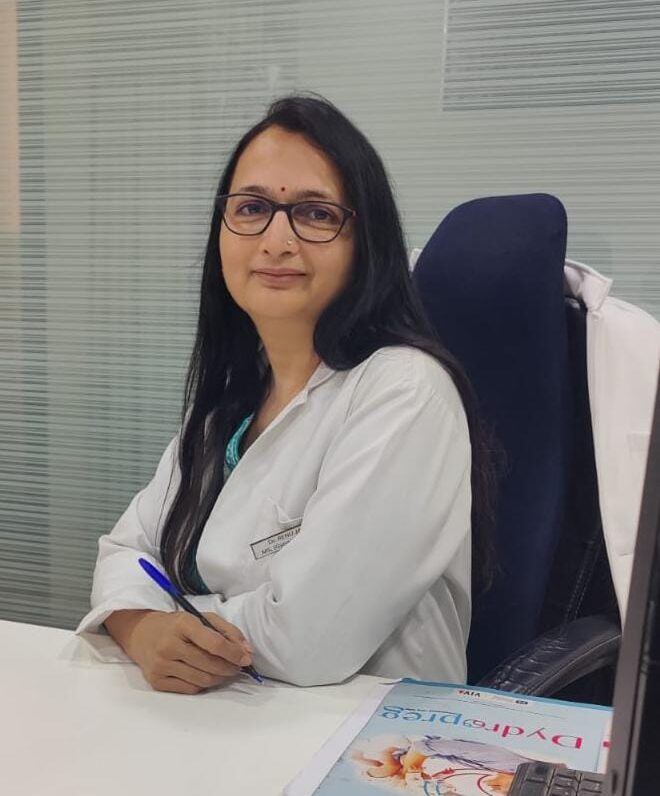
Dr. Renu Jain

Why Choose Dr. Renu Jain for Blocked Fallopian Tube Treatment

Extensive Expertise

Dr. Renu Jain has years of experience in diagnosing and treating female infertility, including complex cases of blocked fallopian tubes.

Personalized Treatment Plans

Each patient receives a customized approach based on age, medical history, and the type and severity of tubal blockage.

Advanced Diagnostic Tools

The clinic offers precise testing including HSG, laparoscopy, ultrasound, and MRI to accurately identify tubal issues.

Comprehensive Treatment Options

From minimally invasive procedures like tubal cannulation and laparoscopic surgery to IVF and ART, Dr. Jain provides solutions tailored to each case.

Compassionate Patient Care

Understanding the emotional challenges of infertility, Dr. Jain provides guidance, reassurance, and continuous support throughout the journey.

Proven Success & Trust

Countless women have successfully conceived under her care, reflecting her skill, dedication, and patient-focused approach.

Welcome to Shekhawati IVF Centre, Jaipur

Shekhawati IVF Centre, Jaipur is a trusted fertility and women’s healthcare center dedicated to helping couples achieve their dream of parenthood through advanced and affordable treatments. Led by experienced IVF specialist Dr. Renu Jain, the centre offers a state-of-the-art IVF laboratory and modern facilities for infertility care, gynecological problems, high-risk pregnancy management, and laparoscopic (doorbeen) surgery. We specialize in IVF, IUI, ICSI, fertility preservation, and minimally invasive procedures. With personalized treatment plans, compassionate care, and ethical medical practices, we ensure safe, effective, and patient-focused support throughout your parenthood journey.

Book appointment today!

Scheduling your visit is quick and easy—connect with our team today and take the first step toward personalized care.

    What is 1 + 8 ? Refresh icon

    Family Portrait

    Mon To Sat: 09:00 AM To 07:00 PM

    Emergency: 24 hours

    FAQs – Blocked Fallopian Tubes

    Most women don’t experience obvious symptoms. Difficulty conceiving after 12 months (or 6 months if over 35) is often the first sign. Some may notice pelvic pain, painful periods, or a history of infections. Only proper evaluation by a fertility specialist can confirm a blockage.

    Mild blockages may sometimes be treated with tubal cannulation or laparoscopic surgery, but severe blockages usually require advanced treatments like IVF, which bypass the tubes entirely. Dr. Renu Jain will recommend the best approach for your situation.

    Not necessarily. If only one tube is blocked, natural conception may still be possible. When both tubes are affected, fertility treatments like IVF offer a highly effective solution.

    Tests like HSG may cause mild discomfort, but most procedures are quick and safe. Minimally invasive options like laparoscopy are performed under anesthesia to ensure comfort.

    Yes. Pelvic infections, STIs, endometriosis, or previous abdominal surgeries can lead to scarring or adhesions that block the tubes. Early detection and treatment are essential to prevent long-term fertility issues.

    If you’ve been trying to conceive for over a year (or 6 months if above 35), or have a history of pelvic infections, ectopic pregnancy, or persistent pelvic pain, schedule a consultation immediately. Early diagnosis increases the chances of successful treatment and pregnancy.